Tree Health
Road Salt and Your Trees: How Winter Salt Damages Trees and Shrubs, and How to Protect Them
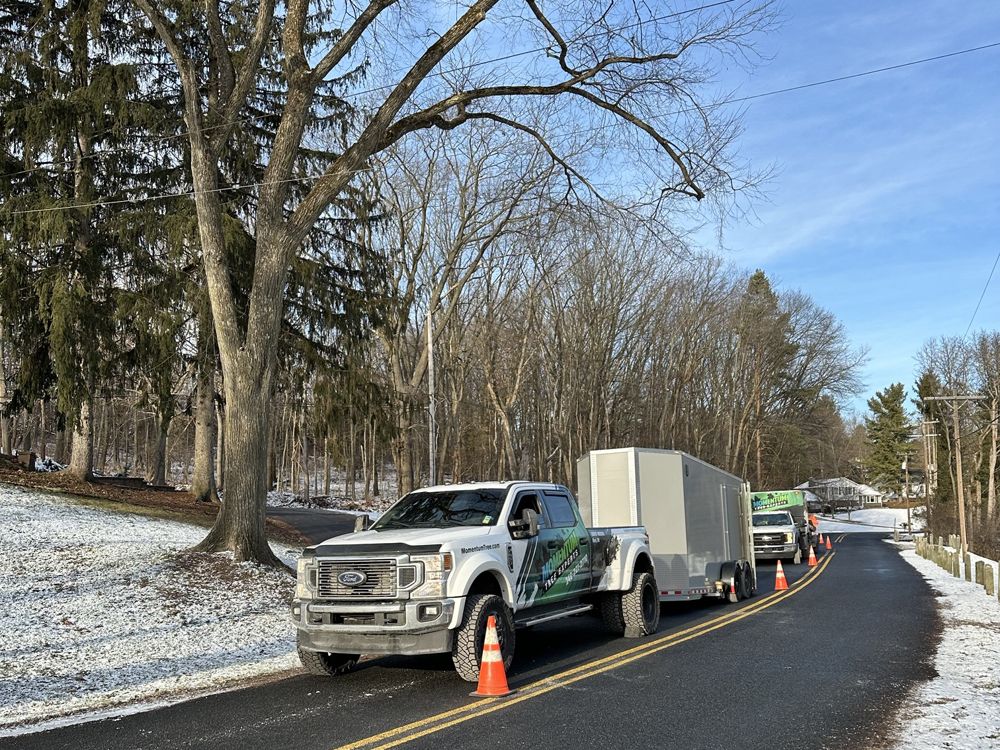
Every Michigan winter, tons of salt go down on our roads, driveways and sidewalks. It keeps us safe on the ice. But when the snow melts, that salt doesn't disappear. It splashes onto branches, soaks into the soil and works its way into the roots of the trees and shrubs along every street and driveway.
The damage rarely shows up in winter. It shows up in spring and summer, and often years later, when nobody connects a browning pine or a thinning maple to the salt truck that went by in January.
Two ways salt reaches your trees
From the air. Passing cars and plows throw a fine, salty spray onto anything close to the road. That salt coats twigs, buds and evergreen needles and pulls moisture out of them. It can dry out the protective scales on buds, leaving the tender new leaves and flowers inside exposed to drying and death before spring even starts.
Through the soil. Salt that melts into the ground breaks down into sodium and chloride, and both cause problems:
- It creates a drought in wet soil. Salt binds tightly to water, so roots can't pull it in even when the ground is moist. The tree acts as if it's in a drought.
- Sodium crowds out nutrients. It competes with potassium, calcium and magnesium at the roots, so the tree can come up short on nutrients it needs.
- Chloride builds up to toxic levels. Roots absorb it, and it moves up into twigs, buds and leaves, where it interferes with photosynthesis.
- It wrecks soil structure. Excess sodium packs clay particles together, raises soil pH and cuts down on the air and water that can move into the soil. That's the same suffocating effect compaction has on roots.
How to tell if salt is the problem
Salt damage looks a lot like drought or root damage, which is why it's so often misdiagnosed. A few clues point to salt:
- One-sided damage. Spray injury is usually worst on the side of the tree or shrub that faces the road.
- Brown or yellow needle tips on evergreens in early spring, especially on the road side.
- Delayed bud break, dead buds and twig dieback on deciduous trees.
- Scorched leaf edges, early fall color and stunted growth later in the season, signs of salt in the soil.
- A gradient. Plants closest to the road or driveway look worst, and damage fades with distance.
Distance matters. Most spray damage happens within about 60 feet of a road, and most soil damage within about 30 feet, though sensitive plants near major highways can show spray injury much farther out.
Soil salt is the slow one. Spray injury shows up the next spring, but salt in the soil builds over several winters, and the decline can take years to show. Late-season salting is especially hard on plants, because there's less winter left for snow and rain to flush it out.
That's why diagnosis matters. A tree that's struggling near a road or driveway might be dealing with salt, compaction, drought, disease or several at once. Each one needs a different fix.
Which trees handle salt, and which don't
Some trees are far more sensitive than others. Among the sensitive ones are trees we see in yards all over Southeast Michigan: sugar maple, eastern white pine, littleleaf linden, dogwood, Canadian hemlock and balsam fir, along with shrubs like burning bush, viburnum and rhododendron. Trees that are already stressed by drought are more sensitive than healthy ones.
Others hold up better. White oak, honeylocust and white spruce are among the more salt-tolerant trees, and red cedar and Scots pine are moderately tolerant. If you're planting near a road, driveway or walk that gets salted every winter, choosing a tolerant species may be the best long-term protection there is.
How to protect your trees this winter
You can't control what the city puts on the road, but you can control a lot on your own property:
- Use less salt, and use it smarter. Clear snow before it packs into ice, apply salt early and sparingly, and mix it with sand for traction. Never use lawn fertilizer as a deicer.
- Consider a gentler deicer near plants. Calcium-based deicers are safer around plants than rock salt, though they cost more. Sand alone adds traction without harming plants, but it doesn't melt ice.
- Watch where the snow goes. Don't shovel or plow salty snow onto beds, lawns or the root zone of your trees. Steer meltwater away from them.
- Put up a barrier. In late fall, burlap or snow fencing on the road side of sensitive shrubs and young trees can block salt spray.
- Rinse during a thaw. On a mild winter day, rinsing salt off evergreens and shrubs near the road helps.
- Flush the soil in spring. Once the ground thaws, a slow, deep watering helps wash salt down and out of the root zone. Heavy clay drains poorly, so this is harder in clay soils, and it's one more reason healthy soil structure matters.
- Sweep up the sand. A thick layer of leftover sand can smother the soil surface, so clear it away in spring.
When salt damage has already set in
If a tree near your driveway or road has been declining for a few years, salt may be part of the story, but it's rarely the whole story. Drought makes salt damage worse, and a tree stressed by salt is more open to secondary pests. That's why our plant health care starts with a diagnosis of the soil and roots, not a guess based on the leaves.
Depending on what we find, restoring a salt-damaged root zone can include improving the soil, adding organic matter, deep watering through dry spells, and loosening soil compacted by years of traffic and salt through air spading or vertical mulching. Removing dead and weak branches keeps a stressed tree from inviting secondary pests. Our work follows the ANSI A300 standards for tree care and the ISA Best Management Practices for soil management and integrated pest management.
Salt is part of life in Michigan, and so are the beautiful roadside maples and pines that make our neighborhoods feel like home. With a little planning, they can live together.
If a tree along your road or driveway is browning, thinning or just not leafing out the way it used to, our ISA Certified Arborist can tell you whether salt is the problem and what it will take to bring it back. Call 248-221-2710 to request a free estimate. We serve Novi and communities across Oakland, Wayne and Washtenaw Counties.
Tree Care in These Areas
Ready to address your tree care needs?
Free options available
Related Articles
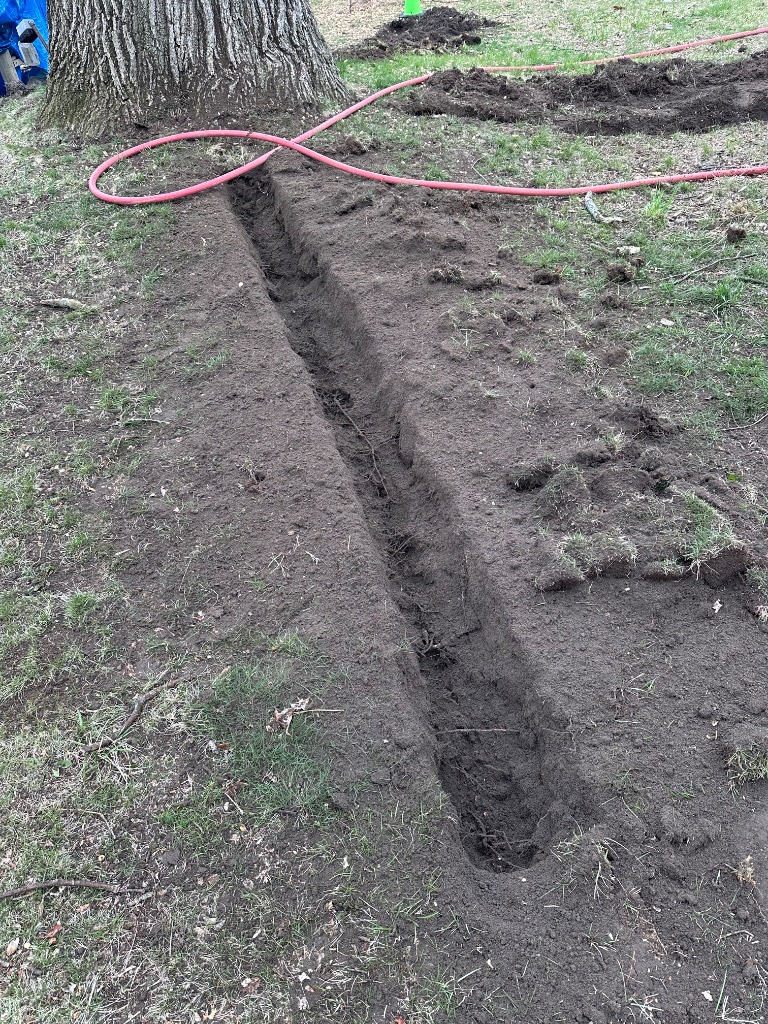
Why Most Tree Problems Start Underground: Soil Compaction Explained
A thinning canopy often starts with compacted soil. How compaction starves tree roots, the warning signs, and how an ISA arborist restores the root zone.
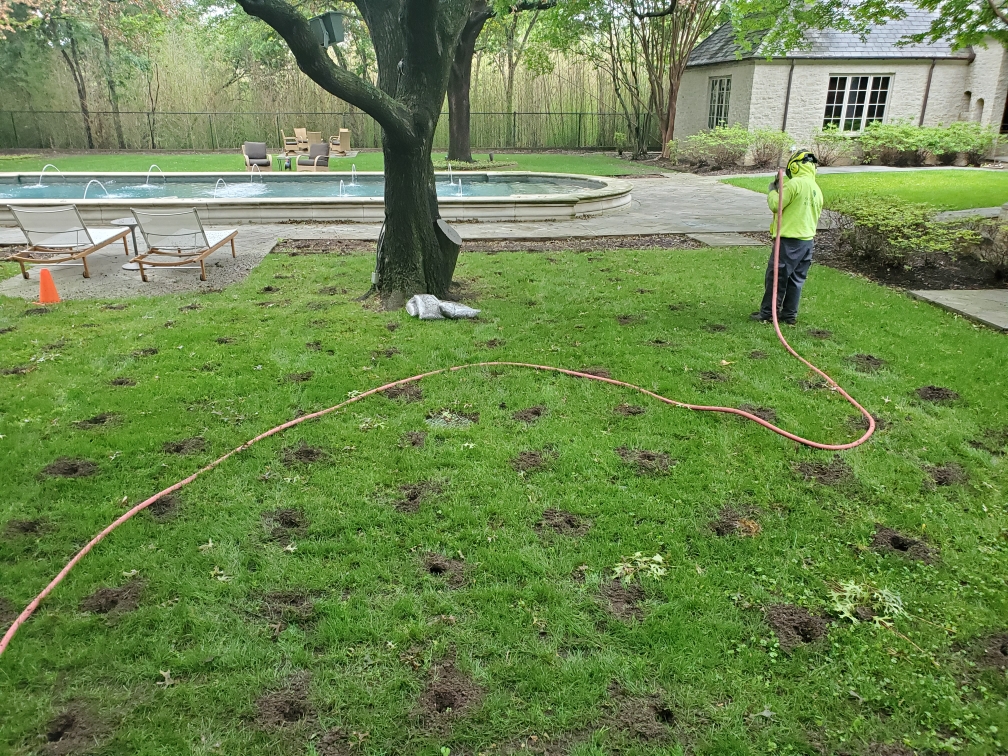
Your Lawn vs. Your Tree: How Turf, Mowing and Leaf Cleanup Starve Mature Trees
Turf, mowing and bagged leaves quietly starve yard trees. What the research shows, and how to give your tree's roots back what a forest would.
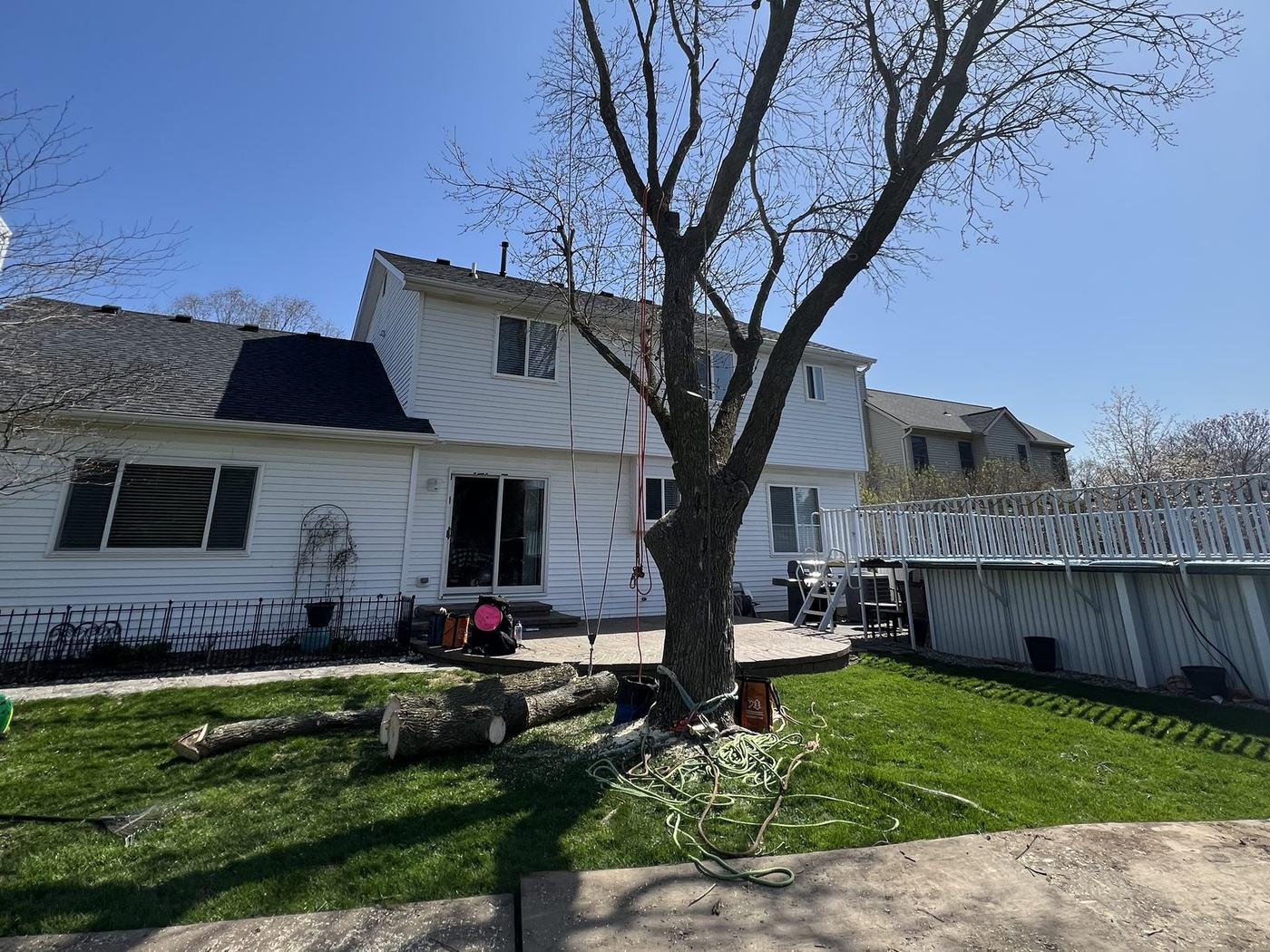
Emerald Ash Borer in Southeast Michigan: What Homeowners Need to Know
How to spot emerald ash borer, when an ash tree can still be protected, and when removal is the honest answer. From an ISA Certified Arborist in Novi.