Tree Health
Your Lawn vs. Your Tree: How Turf, Mowing and Leaf Cleanup Starve Mature Trees
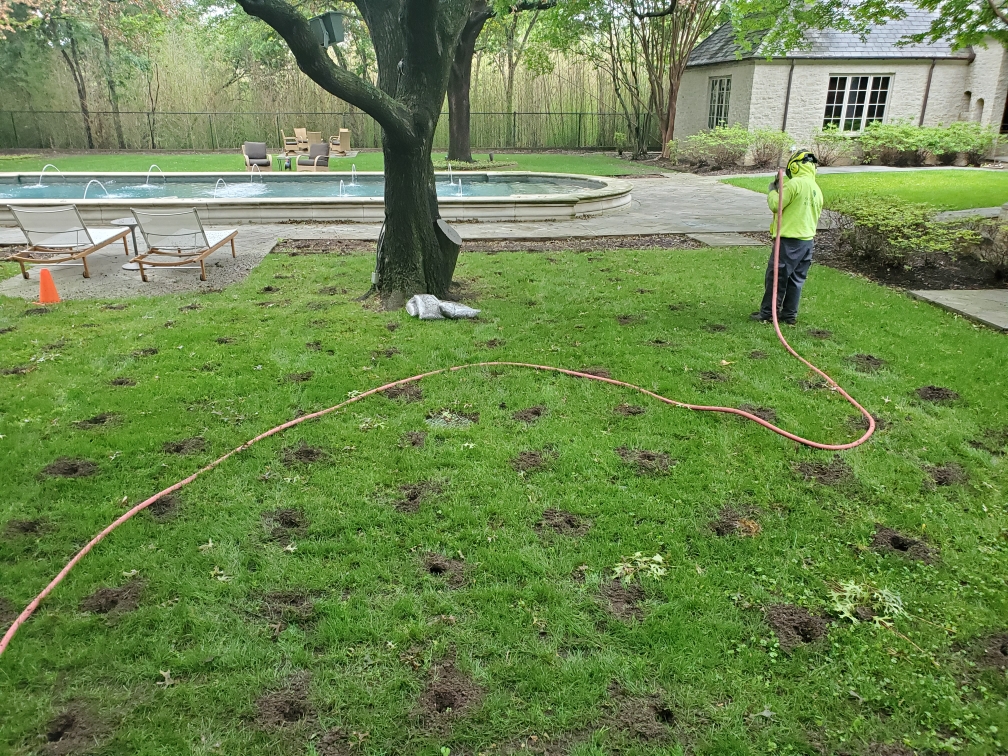
Picture a tree in a forest. It stands in a deep, soft layer of fallen leaves, twigs and old roots, slowly breaking down. Every year, that layer gives back what the tree took out of the soil. Nobody rakes it. Nobody mows it. That's the world trees evolved for.
Now picture the same kind of tree in a front yard. Grass runs right up to the trunk. A mower crosses its roots every week from spring to fall. Every leaf it drops gets raked, blown and hauled to the curb.
That tree is fighting a battle most homeowners never see, and the lawn is on the other side of it.
The grass is competing for the same soil
Most of a tree's roots aren't deep. Over 90% of a tree's root mass sits in the top two feet of soil, and the roots that do the feeding are concentrated even closer to the surface. They also spread far, often up to two times the tree's height from the trunk. So the lawn isn't next to your tree's roots. It's on top of them.
Turf roots crowd that same upper layer and compete for the same water and nutrients. The difference that competition makes is dramatic. In one study, young sugar maples given an 8-foot-wide ring of mulch instead of grass had four times the root density in the top six inches of soil after five years, compared with maples that had grass growing right up to the trunk. Their trunks grew about three times as much.
Four times the roots, just by taking the grass away from the base of the tree.
Raking and bagging strip the soil
Here's the part almost nobody thinks about. About half of the nutrients a tree absorbs each year end up in its leaves. In a forest, those leaves fall, break down and give that back. In a typical yard, they get raked, blown and hauled away. The grass clippings get bagged all season, too, even though clippings left on a lawn can return as much as 20% of the nitrogen it needs.
Nothing goes back. Every fall cleanup is another withdrawal from the soil with no deposit, and trees whose leaves are removed year after year may eventually need fertilizing just to make up the difference. Removing leaves year after year can leave urban soils unhealthy.
The scale is staggering. An estimated 35 million tons of grass clippings and leaves are hauled away from American yards and landscapes every year. And it shows in the ground: in a two-year study of suburban yards, areas where leaves were left in place had up to 32% more soil organic carbon, the organic matter that holds water and feeds soil life, and leaves there broke down 21% faster than in areas that were raked clean.
Mowing adds weight, and wounds
Mowers cross the root zone every week of the growing season, and weight plus repetition is how soil gets compacted. Compacted soil squeezes out the air and water roots depend on. We cover how that happens, and how we fix it, in Why Most Tree Problems Start Underground.
Then there's the trunk. Lawn mowers and string trimmers can be lethal to trees when they're used carelessly. A bump from a mower or a pass with a trimmer can bruise or strip the bark and damage the living tissue just underneath, which moves water and nutrients between the roots and the leaves. Even as the tree tries to recover, leaves and branches can decline and die back. Decay fungi can move in through the wound. Young, thin-barked trees are the most at risk, and repeated hits can girdle a trunk. A tree that's damaged all the way around will eventually die.
The weed killer reaches the tree, too
Because a tree's roots are spread through the lawn, what goes on the lawn reaches the tree. Many lawn herbicides, especially those for clover, violets and other tough broadleaf weeds, can be taken up by tree roots. Some common weed killers can also drift or vaporize on warm days. Trees some distance from where the product went down can still be affected, because their roots reach well beyond the canopy. Repeated damage year after year will almost certainly shorten a tree's life.
Water that never reaches the roots
A lawn needs moisture in the top two to three inches of soil. Most of a tree's absorbing roots are in the top 12 to 18 inches. A sprinkler schedule built for grass, short and frequent, can keep the lawn green while the tree's roots below stay dry. When a mature tree needs water during a dry spell, it needs a slow, deep soak across the root zone, not a quick sprinkle.
None of this means giving up your lawn
It means giving your tree back some of what a forest would. A few changes make a real difference:
- Replace the grass under the canopy with mulch. A wide ring of wood chips or shredded bark, 2 to 4 inches deep and kept off the trunk, takes away the competition, holds moisture, feeds the soil as it breaks down, and keeps the mower away.
- Leave the leaves where you can. Mow them into the lawn or move them onto the mulch ring instead of bagging them.
- Leave the grass clippings on the lawn. They don't cause thatch, and they put nutrients back.
- Keep mowers and trimmers well away from the trunk. Let the mulch ring do the work.
- Be careful with weed control near trees. Read the label, use the right rate, and skip spraying on warm, windy days.
- Water trees slowly and deeply during dry spells, across the root zone.
When the soil has already been stripped
Years of grass competition, raking and mowing can leave the soil around a tree compacted and depleted, and a tree in that soil often declines slowly before anyone notices. That's where our plant health care comes in. We start with a proper diagnosis of the soil and the roots, then restore what's missing, through air spading, vertical mulching and radial trenching, plus organic matter and mulch to rebuild the soil. Our soil care follows the ANSI A300 standards for tree care and the ISA Best Management Practices for soil management and root management.
Your lawn and your trees can share a yard. The trees just need their share of the soil back.
If a tree in your lawn is thinning, dying back or just doesn't look the way it used to, our ISA Certified Arborist can assess the root zone and tell you what's really going on. Call 248-221-2710 to request a free estimate. We serve Novi and communities across Oakland, Wayne and Washtenaw Counties.
Tree Care in These Areas
Ready to address your tree care needs?
Free options available
Related Articles
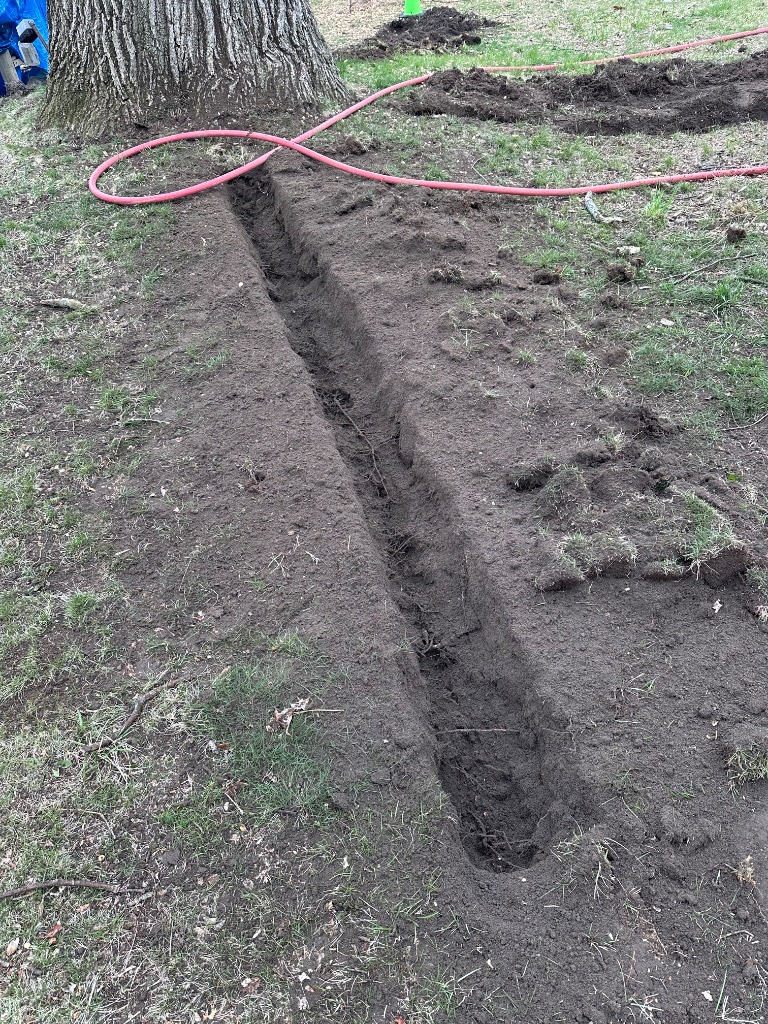
Why Most Tree Problems Start Underground: Soil Compaction Explained
A thinning canopy often starts with compacted soil. How compaction starves tree roots, the warning signs, and how an ISA arborist restores the root zone.
Emerald Ash Borer in Southeast Michigan: What Homeowners Need to Know
How to spot emerald ash borer, when an ash tree can still be protected, and when removal is the honest answer. From an ISA Certified Arborist in Novi.
Is My Tree Safe? What a Professional Tree Risk Assessment Actually Tells You
Every tree carries some risk. Here's how a qualified arborist weighs real risk, why a defect isn't a death sentence, and when removal is the right call.